Huanghuacheng Water Great Wall
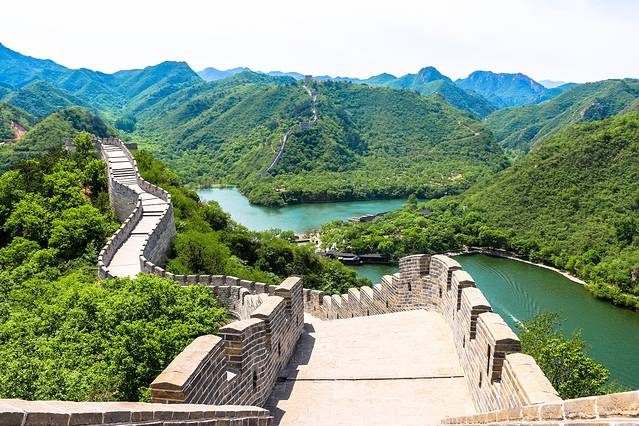
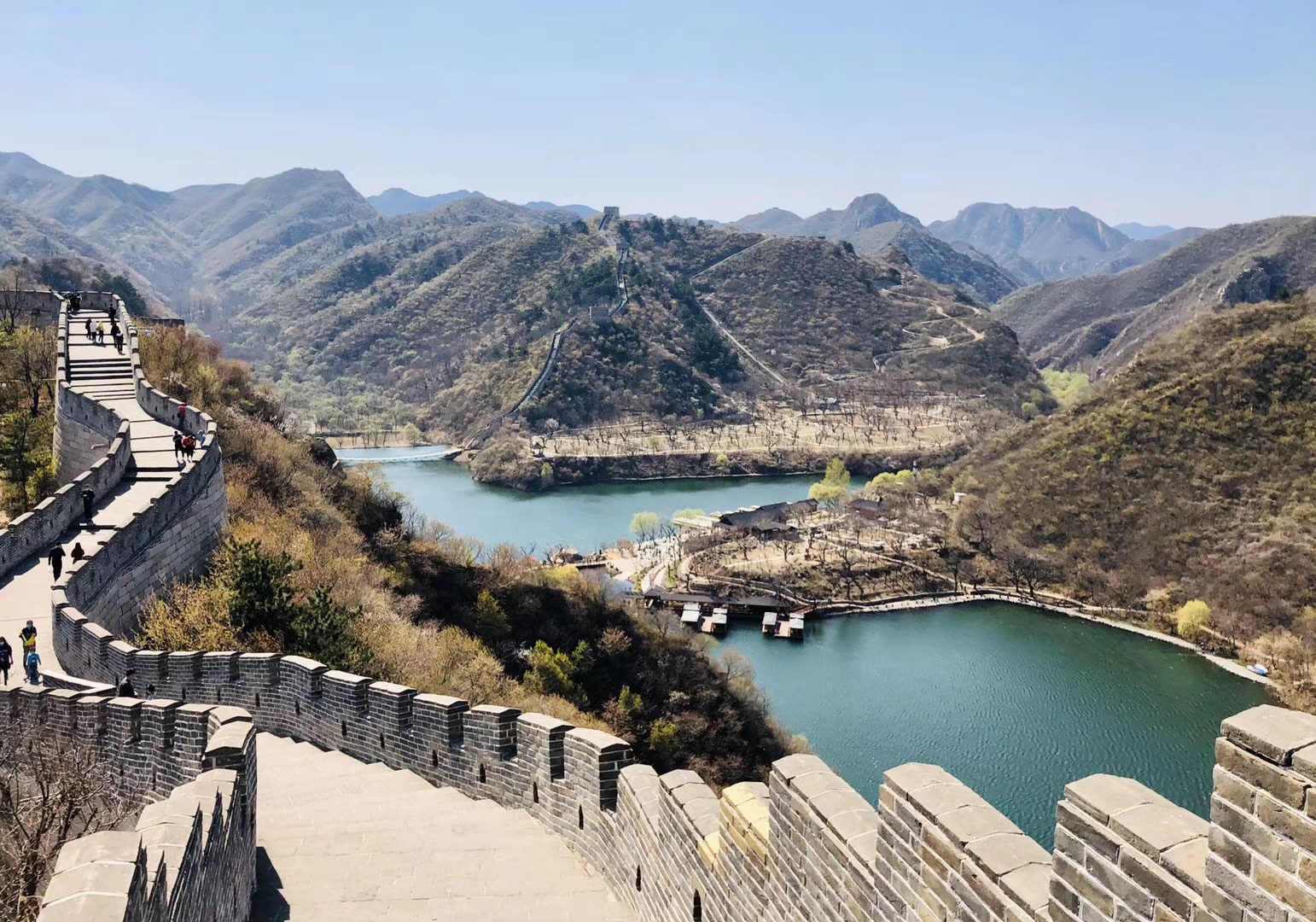
A unique section in Huairou District famous for "the Great Wall meeting the water": three stretches of the Ming Great Wall dip into Haoming Lake, and "the Wall around the lakeshore, a giant dragon sporting in blue water" is a landscape combination rarely seen in China.
Visitor info
- Opening hours
- 08:00-17:00
- Ticket
- CNY 54
Price is indicative — final quote on inquiry.
A unique section in Huairou District famous for "the Great Wall meeting the water": three stretches of the Ming Great Wall dip into Haoming Lake, and "the Wall around the lakeshore, a giant dragon sporting in blue water" is a landscape combination rarely seen in China. The ancient chestnut trees in the Ming-era chestnut orchard are said to have been planted by garrison soldiers, hence the name "soldier trees." Lake, Wall, and chestnut woods interweave; in summer you can go boating and hiking, and during the autumn chestnut harvest you can pick your own. Relatively off the beaten path with moderate crowds, it suits an in-depth half-day to full-day trip, reached by bus from Dongzhimen via Huairou.
Getting there: Bus 916 from Dongzhimen, transfer to a Huairou local bus
Photos
More in Beijing
- Summer Palace
Kunming Lake, the Long Corridor and Marble Boat of the imperial resort.
- The Forbidden City
The world's largest palace complex, 9,999 rooms of Ming and Qing emperors.
- Mutianyu Great Wall
The restored, less-crowded Great Wall section with a toboggan descent.
- Temple of Heaven
Where emperors prayed for harvest; morning tai chi in the cypress park.
- Tiananmen Square
One of the world's largest city squares, about 880 m long north to south and able to hold a million people—the core space of Beijing's Central Axis: the founding ceremony of the PRC was held here on October 1, 1949; the Monument to the People's Heroes stands at the center, the Great Hall of the People on the west, and on the east the China...
- The Palace Museum (Forbidden City)
Completed in the 18th year of Ming Yongle (1420), the imperial palace where 24 emperors of the Ming and Qing dynasties lived and ruled, formerly the Forbidden City: covering 720,000 sq m with over 8,700 rooms, the world's largest and best-preserved wooden palace complex