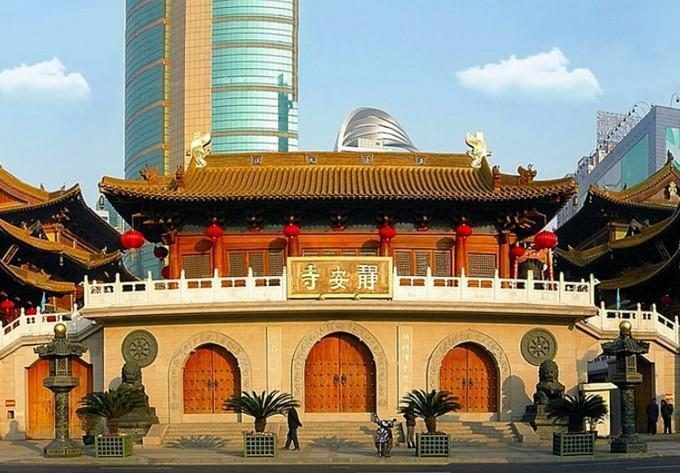
Jing'an Temple
Tradition has it that the temple was first built in 247 AD (the 10th year of the Chiwu era of Eastern Wu during the Three Kingdoms period), predating the founding of Shanghai city; Jing'an District takes its name from the temple
Visitor info
- Opening hours
- 07:30-17:00
- Ticket
- CNY 50
Price is indicative — final quote on inquiry.
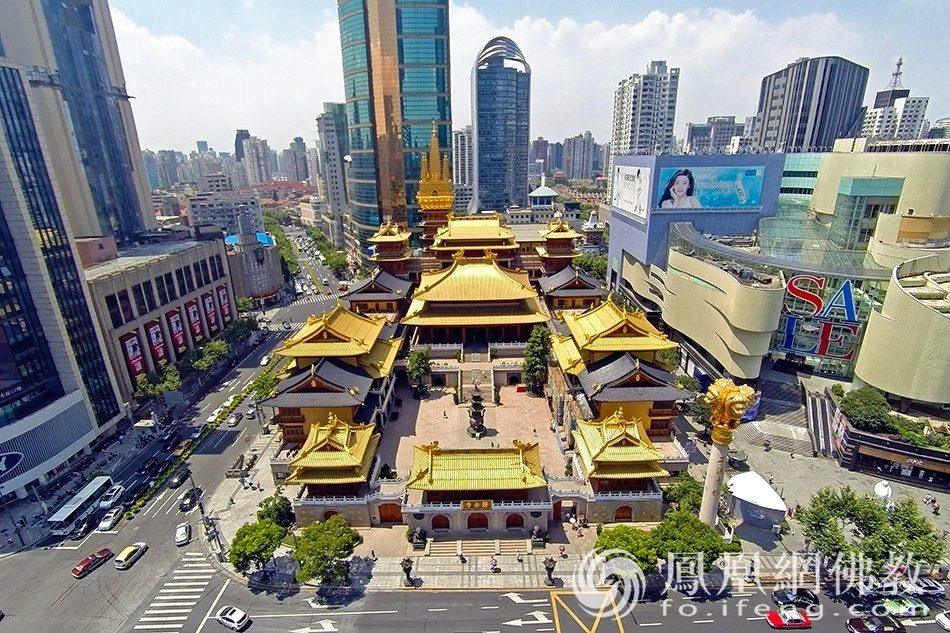
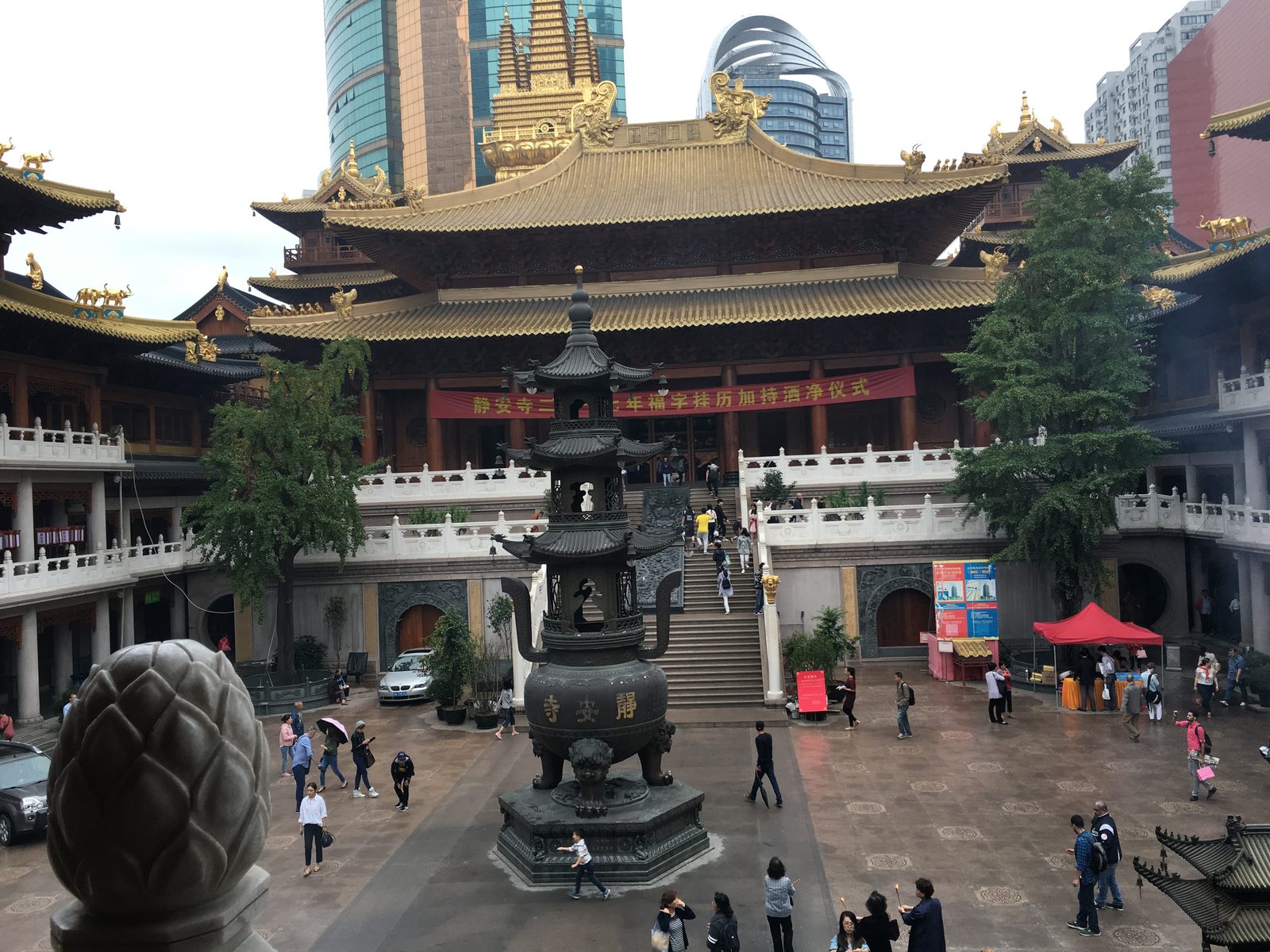
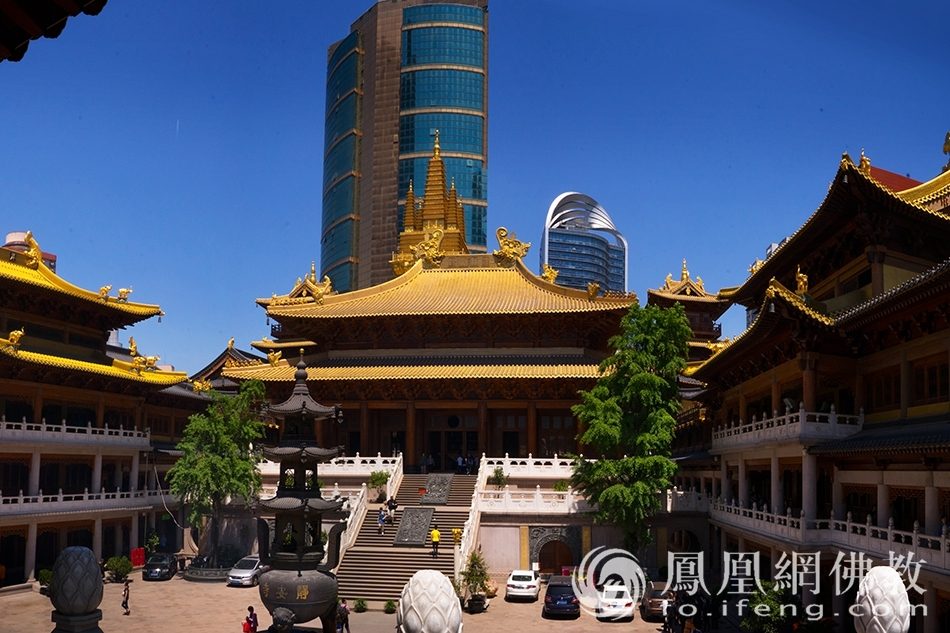
Tradition has it that the temple was first built in 247 AD (the 10th year of the Chiwu era of Eastern Wu during the Three Kingdoms period), predating the founding of Shanghai city, and Jing'an District takes its name from the temple. Its site shifted twice as the south bank of the Wusong River eroded and silted, moving to the present location in 1880. Rebuilt as a whole from 1998 in an imitation Ming-dynasty palace style, its golden roofs, teak and nanmu main gate and Fuhui Pagoda gleam resplendently among the skyscrapers of West Nanjing Road—a remarkable spectacle of 'tranquility amid the bustle'. The Dharma Hall and Sutra Depository are complete in layout, and the New Year's Eve bell-ringing and Laba porridge giveaway are famous Shanghai folk customs. It is Shanghai's most incense-thronged urban Zen monastery, with its giant ingot-shaped incense burner as its hallmark.
Getting there: Metro Line 2/7/14, Jing'an Temple Station
Photos
More in Shanghai
- Yu Garden
Ming dynasty rockeries, pavilions and the zigzag bridge of City God Temple area.
- Shanghai Tower
China's tallest building; observation deck on the 118th floor.
- Zhujiajiao Water Town
17-bridge canal town 45 km from downtown; gondolas under Ming bridges.
- The Bund
Colonial riverfront facing Pudong's sci-fi skyline; walk it at dusk both ways.
- The Bund
Shanghai's calling card and a microcosm of its modern history: a 1.5 km riverside stretch on the west bank of the Huangpu River, running north from Waibaidu Bridge (Garden Bridge) to Yan'an East Road, is lined with 52 historic buildings in Gothic, Baroque, Art Deco and other styles, collectively known as the "World Architecture Exhibition"
- Lujiazui 'Big Three' Viewing
The heart of Pudong's financial-district skyline: Shanghai Tower, at 632 m China's tallest building, rises in a twisting spiral form that reduces wind load; its 546 m "Top of Shanghai" observatory ranks among the world's highest, and on floor 125 you can see the thousand-ton damper nicknamed the "magic needle that steadies the building"