Lu Xun Museum
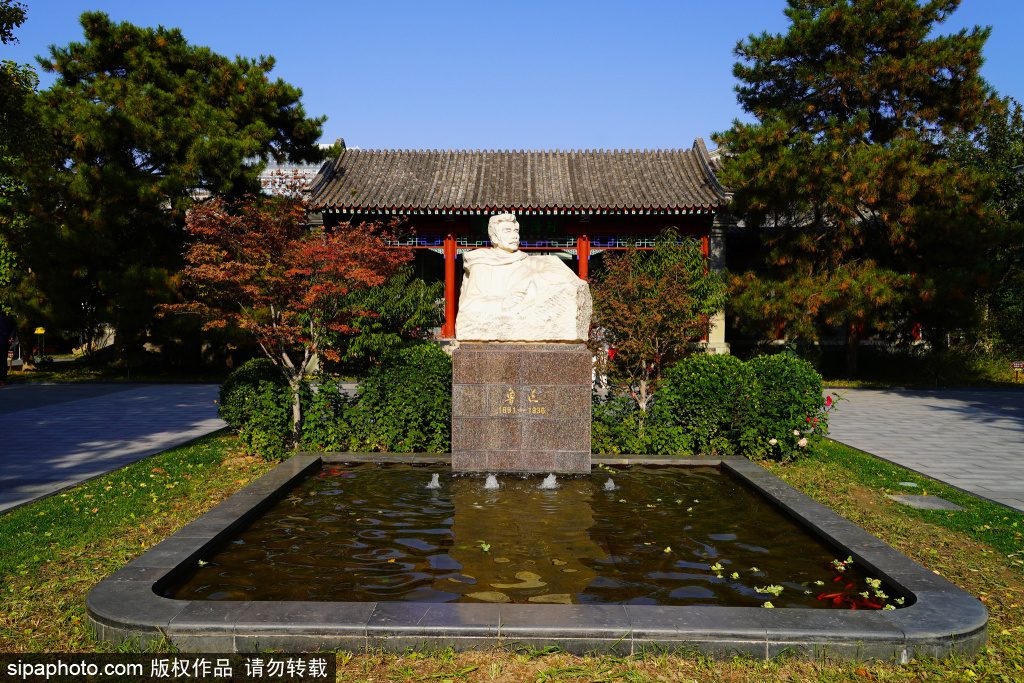
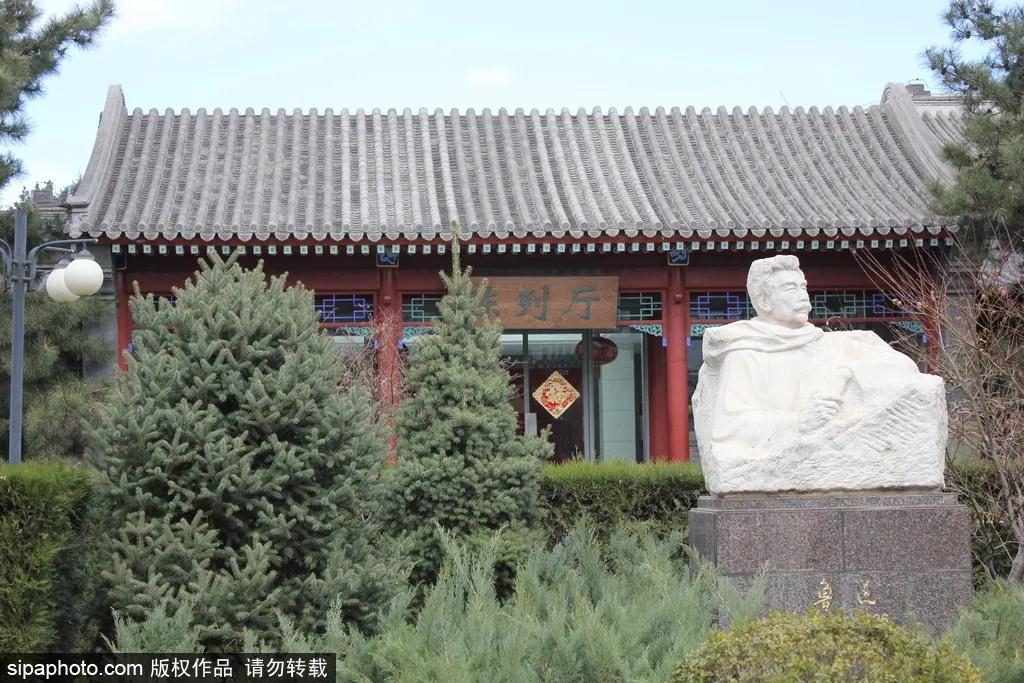
Lu Xun's former residence (Gongmenkou Ertiao), where he lived from spring 1924 to August 1926: in the small three-sided courtyard, the “Tiger's Tail” (a small room he added at the back) designed by Lu Xun himself is where he wrote *Wild Grass* and *Huagai Ji*, and the two lilac trees in the courtyard were planted by him
Visitor info
- Opening hours
- 09:00-16:00 (closed Mondays)
- Ticket
- Free (reservation required)
Price is indicative — final quote on inquiry.
Lu Xun's former residence (Gongmenkou Ertiao), where he lived from spring 1924 to August 1926: in the small three-sided courtyard, the “Tiger's Tail” (a small room he added at the back) designed by Lu Xun himself is where he wrote Wild Grass and Huagai Ji, and the two lilac trees in the courtyard were planted by him. The biographical exhibition hall next to the residence systematically displays manuscripts, his book collection, and the prints he collected. Free with reservation; it lies in the Fuchengmennei area together with the White Pagoda Temple (Baitasi) neighborhood, ideal for literature lovers planning a half-day trip.
Getting there: Metro Line 2, Fuchengmen Station
Photos
More in Beijing
- Summer Palace
Kunming Lake, the Long Corridor and Marble Boat of the imperial resort.
- The Forbidden City
The world's largest palace complex, 9,999 rooms of Ming and Qing emperors.
- Mutianyu Great Wall
The restored, less-crowded Great Wall section with a toboggan descent.
- Temple of Heaven
Where emperors prayed for harvest; morning tai chi in the cypress park.
- Tiananmen Square
One of the world's largest city squares, about 880 m long north to south and able to hold a million people—the core space of Beijing's Central Axis: the founding ceremony of the PRC was held here on October 1, 1949; the Monument to the People's Heroes stands at the center, the Great Hall of the People on the west, and on the east the China...
- The Palace Museum (Forbidden City)
Completed in the 18th year of Ming Yongle (1420), the imperial palace where 24 emperors of the Ming and Qing dynasties lived and ruled, formerly the Forbidden City: covering 720,000 sq m with over 8,700 rooms, the world's largest and best-preserved wooden palace complex