Mei Lanfang Memorial Hall
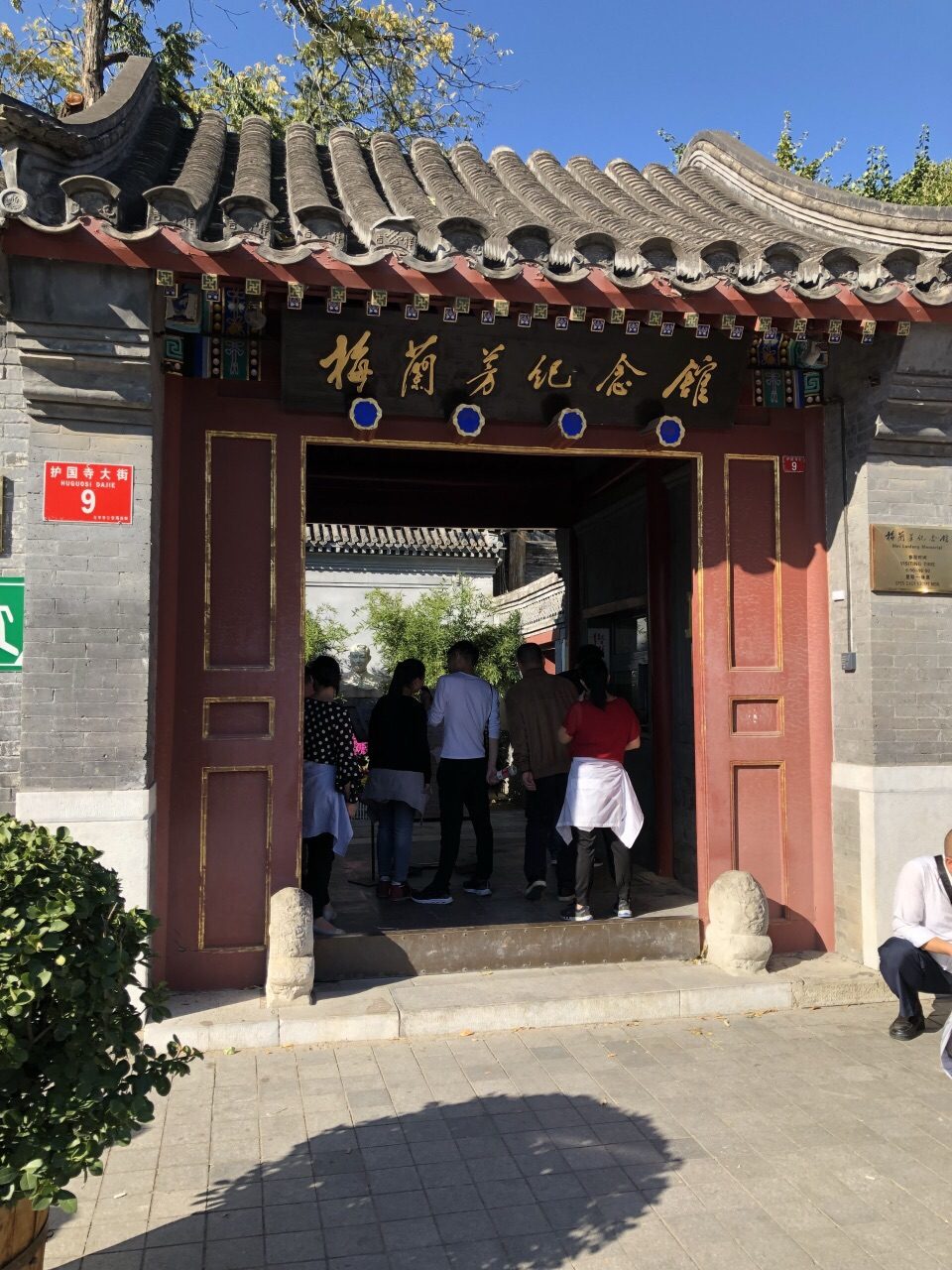
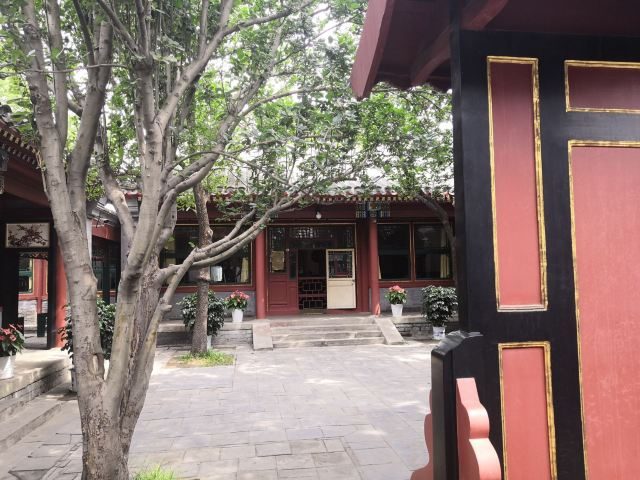
A courtyard residence on Huguosi Street, Mei Lanfang's late-life home from 1951 to 1961: the interiors are preserved in their original state, with a rich collection of opera costumes, stage photos, and calligraphy and paintings; the exhibition is threaded through by his artistic philosophy of “changing the steps without changing the form”, and Peking Opera fans can study the exquisite costumes and props up close
Visitor info
- Opening hours
- 09:00-16:00 (closed Mondays)
- Ticket
- CNY 10
Price is indicative — final quote on inquiry.
A courtyard residence on Huguosi Street, Mei Lanfang's late-life home from 1951 to 1961: the interiors are preserved in their original state, with a rich collection of opera costumes, stage photos, and calligraphy and paintings; the exhibition is threaded through by his artistic philosophy of “changing the steps without changing the form”, and Peking Opera fans can study the exquisite costumes and props up close. Huguosi Snack Street is just steps away, so you can tour the residence and sample local snacks in one go; with admission at CNY 10 and a moderate scale, even casual visitors will find it worthwhile.
Getting there: Metro Line 8, Shichahai Station
Photos
More in Beijing
- Summer Palace
Kunming Lake, the Long Corridor and Marble Boat of the imperial resort.
- The Forbidden City
The world's largest palace complex, 9,999 rooms of Ming and Qing emperors.
- Mutianyu Great Wall
The restored, less-crowded Great Wall section with a toboggan descent.
- Temple of Heaven
Where emperors prayed for harvest; morning tai chi in the cypress park.
- Tiananmen Square
One of the world's largest city squares, about 880 m long north to south and able to hold a million people—the core space of Beijing's Central Axis: the founding ceremony of the PRC was held here on October 1, 1949; the Monument to the People's Heroes stands at the center, the Great Hall of the People on the west, and on the east the China...
- The Palace Museum (Forbidden City)
Completed in the 18th year of Ming Yongle (1420), the imperial palace where 24 emperors of the Ming and Qing dynasties lived and ruled, formerly the Forbidden City: covering 720,000 sq m with over 8,700 rooms, the world's largest and best-preserved wooden palace complex