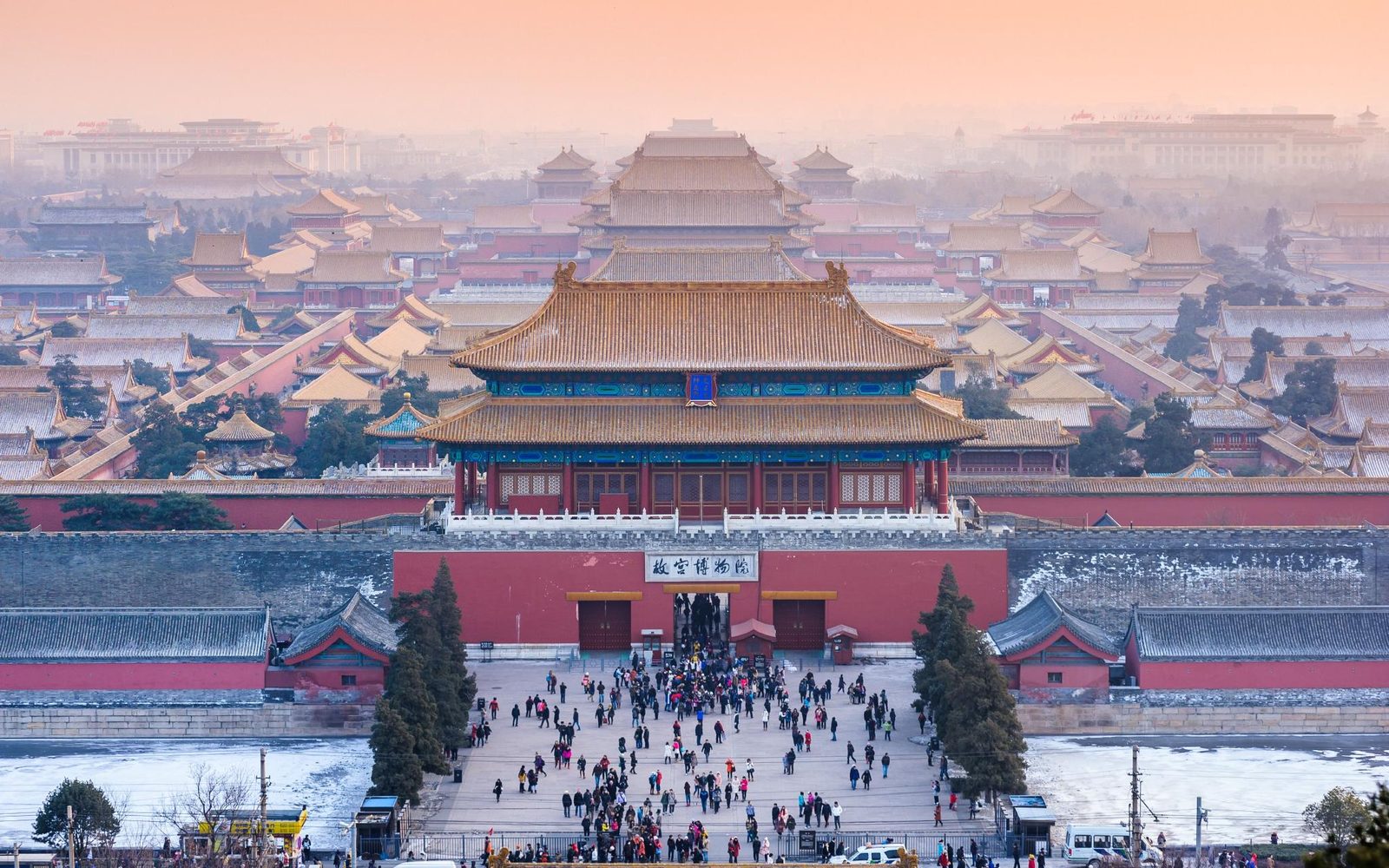
Niujie Mosque
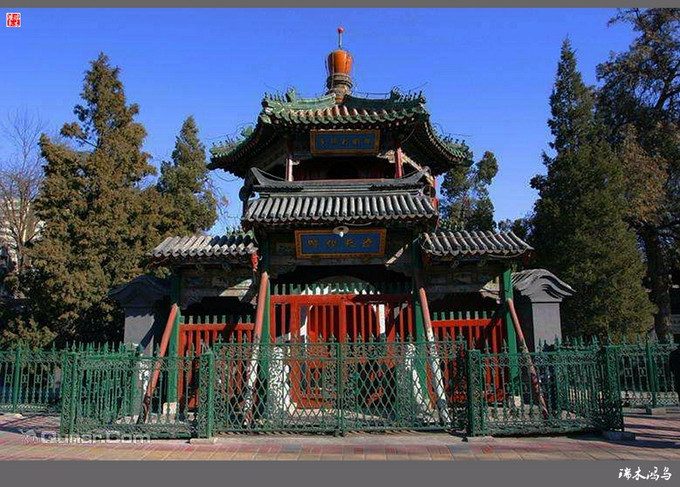
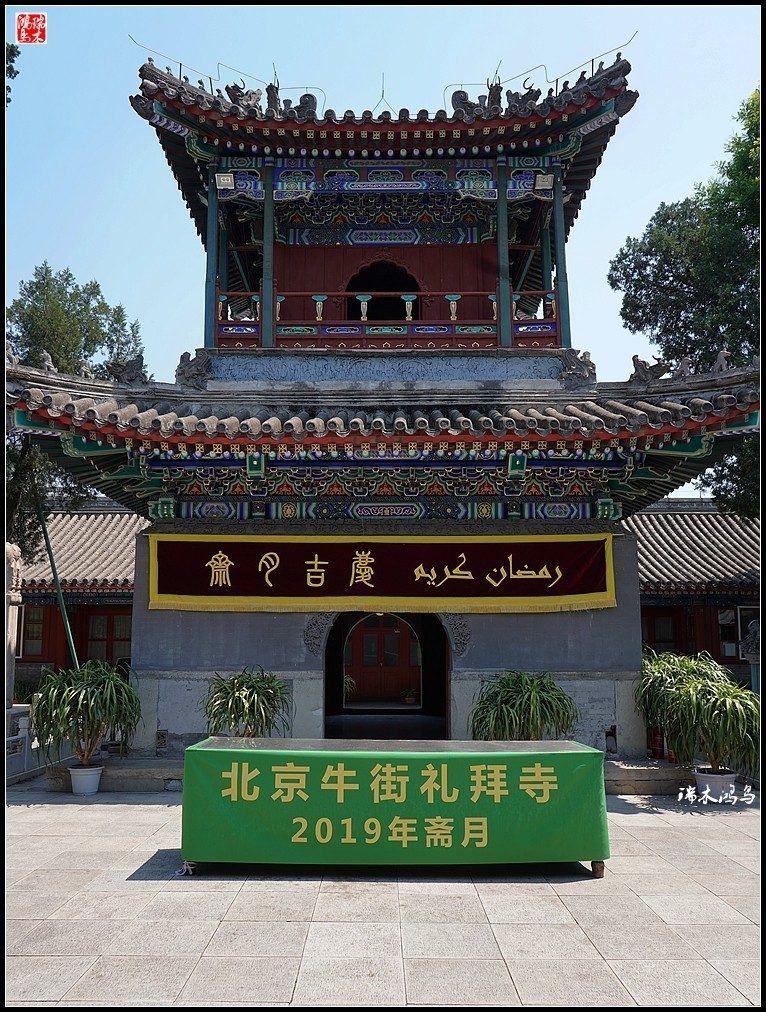
Beijing's largest mosque, founded in 996 (2nd year of the Zhidao reign, Northern Song): Chinese-style timber architecture paired with Arabic-style decorative motifs; the Shaikh Tombs (graves of Song-dynasty sages) and steles of successive dynasties preserve the history of Islam's spread in China; the Moon-Watching Tower (Wangyue Lou) has a unique form.
Visitor info
- Opening hours
- Varies with prayer times
- Ticket
- Free (non-Muslims limited to exterior areas)
Price is indicative — final quote on inquiry.
Beijing's largest mosque, founded in 996 (2nd year of the Zhidao reign, Northern Song): Chinese-style timber architecture paired with Arabic-style decorative motifs; the Shaikh Tombs (graves of Song-dynasty sages) and steles of successive dynasties preserve the history of Islam's spread in China; the Moon-Watching Tower (Wangyue Lou) has a unique form. Located in Niujie, a Hui Muslim neighborhood, non-Muslims may visit the exterior areas outside prayer times (please observe etiquette and dress code); outside the mosque, Niujie Snack Street — with Jubao Yuan mutton hotpot, Bai Ji rice cakes, Hong Ji snacks and more — is Beijing's top street for halal food; the mosque and the food street together make a one-stop experience.
Getting there: Metro Line 7, Guang'anmennei Station
Photos
More in Beijing
- Summer Palace
Kunming Lake, the Long Corridor and Marble Boat of the imperial resort.
- The Forbidden City
The world's largest palace complex, 9,999 rooms of Ming and Qing emperors.
- Mutianyu Great Wall
The restored, less-crowded Great Wall section with a toboggan descent.
- Temple of Heaven
Where emperors prayed for harvest; morning tai chi in the cypress park.
- Tiananmen Square
One of the world's largest city squares, about 880 m long north to south and able to hold a million people—the core space of Beijing's Central Axis: the founding ceremony of the PRC was held here on October 1, 1949; the Monument to the People's Heroes stands at the center, the Great Hall of the People on the west, and on the east the China...
- The Palace Museum (Forbidden City)
Completed in the 18th year of Ming Yongle (1420), the imperial palace where 24 emperors of the Ming and Qing dynasties lived and ruled, formerly the Forbidden City: covering 720,000 sq m with over 8,700 rooms, the world's largest and best-preserved wooden palace complex