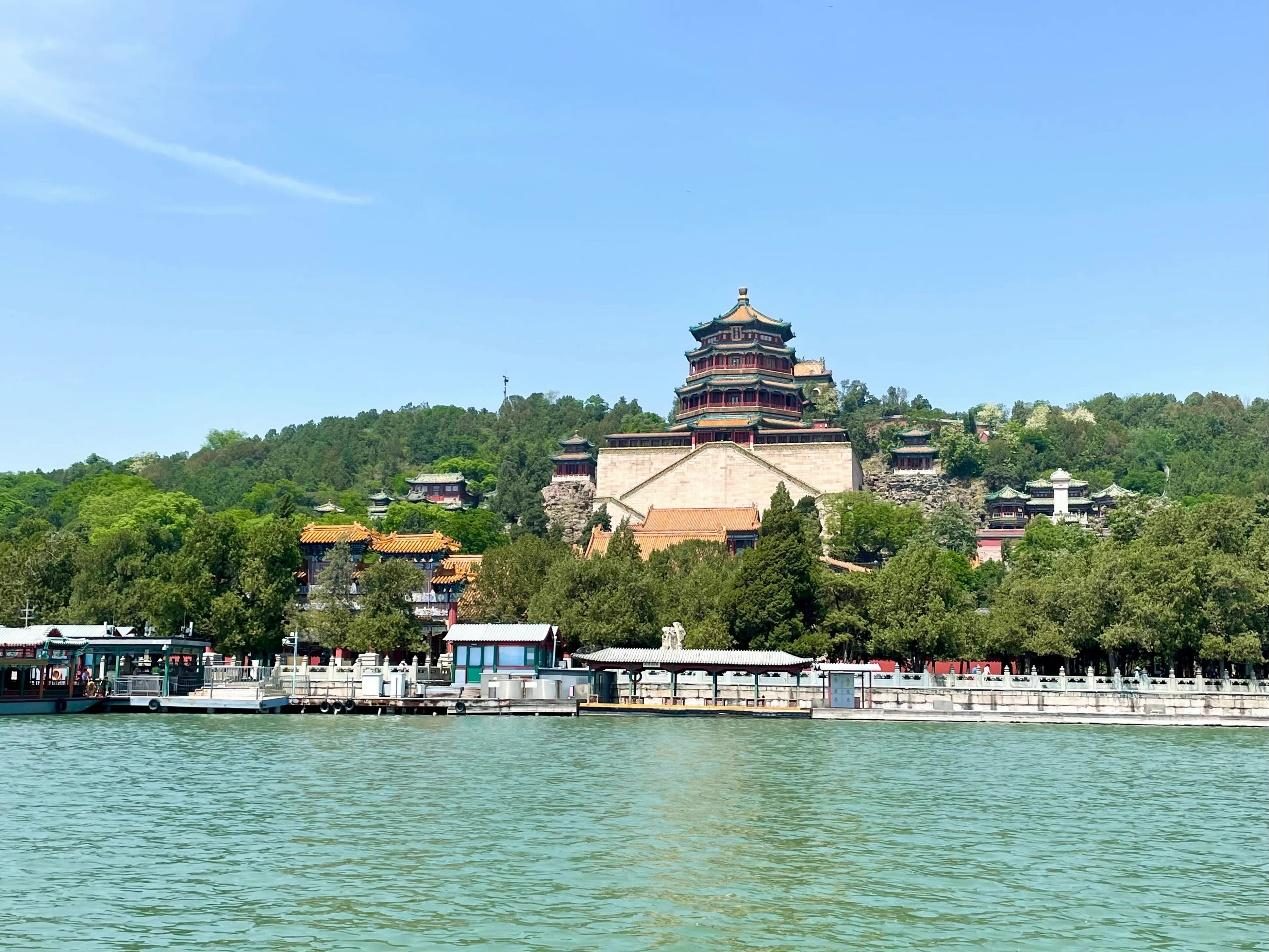
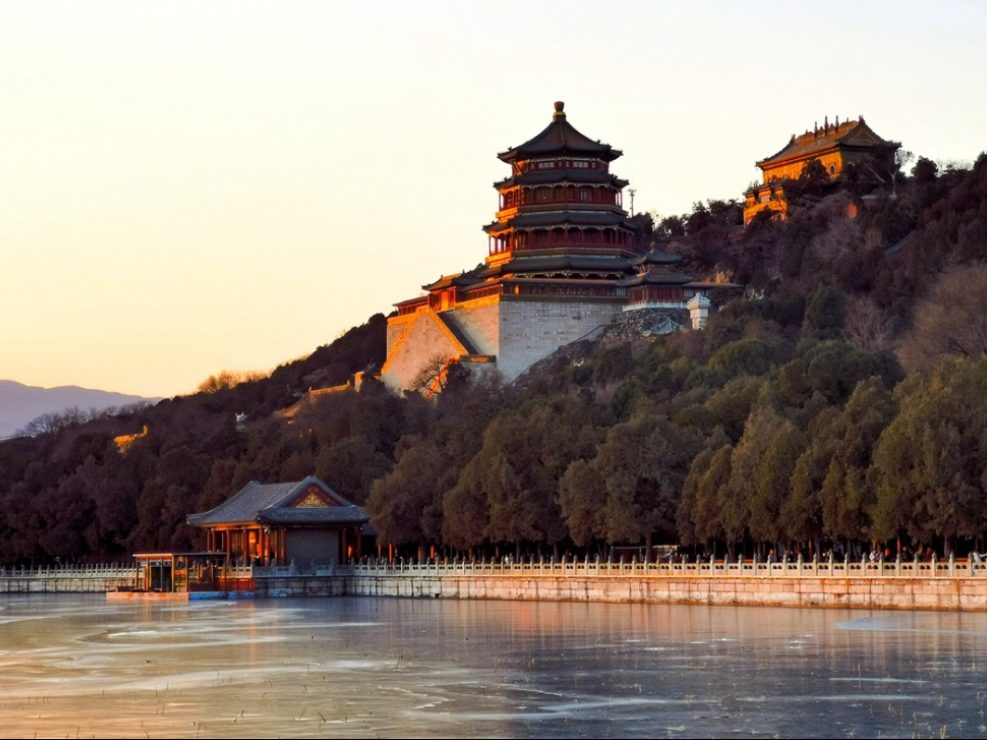
Summer Palace
China's largest surviving imperial garden, covering about 2.9 sq km, three-quarters of it Kunming Lake: in 1750 Emperor Qianlong built Qingyi Garden in the name of water-conservancy works; it was burned by the Anglo-French forces in 1860, and in 1888 Empress Dowager Cixi rebuilt it and renamed it the Summer Palace
Visitor info
- Opening hours
- Peak season 06:30-18:00
- Ticket
- Peak season CNY 30 / off-season CNY 20 (combo ticket CNY 60 / CNY 50)
Price is indicative — final quote on inquiry.
China's largest surviving imperial garden, covering about 2.9 sq km, three-quarters of it Kunming Lake: in 1750 Emperor Qianlong built Qingyi Garden in the name of water-conservancy works; it was burned by the Anglo-French forces in 1860, and in 1888 Empress Dowager Cixi rebuilt it and renamed it the Summer Palace. The Tower of Buddhist Incense on Longevity Hill overlooks the lake and hills; the 728-meter Long Corridor, painted with over 10,000 scenes, is the longest gallery in Chinese gardens; the Marble Boat, the Seventeen-Arch Bridge, and the Six Bridges of the West Causeway each offer their own scenery — around the winter solstice, the setting sun lighting up the arches of the Seventeen-Arch Bridge in 'golden light through the arches' has become a photography event; inscribed as a UNESCO World Heritage Site in 1998, it is the core of the Qing dynasty's 'Three Hills and Five Gardens.'
Getting there: Metro Line 4, Beigongmen / Xiyuan Station
Photos
More in Beijing
- Summer Palace
Kunming Lake, the Long Corridor and Marble Boat of the imperial resort.
- The Forbidden City
The world's largest palace complex, 9,999 rooms of Ming and Qing emperors.
- Mutianyu Great Wall
The restored, less-crowded Great Wall section with a toboggan descent.
- Temple of Heaven
Where emperors prayed for harvest; morning tai chi in the cypress park.
- Tiananmen Square
One of the world's largest city squares, about 880 m long north to south and able to hold a million people—the core space of Beijing's Central Axis: the founding ceremony of the PRC was held here on October 1, 1949; the Monument to the People's Heroes stands at the center, the Great Hall of the People on the west, and on the east the China...
- The Palace Museum (Forbidden City)
Completed in the 18th year of Ming Yongle (1420), the imperial palace where 24 emperors of the Ming and Qing dynasties lived and ruled, formerly the Forbidden City: covering 720,000 sq m with over 8,700 rooms, the world's largest and best-preserved wooden palace complex