Old Summer Palace (Yuanmingyuan)
The Qing dynasty's "Garden of Gardens": in 1709 the Kangxi Emperor granted it to his fourth son (the future Yongzheng Emperor); developed over 150-plus years under six emperors and merged with Changchun Garden and Qichun Garden, it formed an imperial garden of roughly 350 hectares that brought together the finest of Chinese and Western garden art
Visitor info
- Opening hours
- 07:00-19:30
- Ticket
- CNY 10 (ruins-area combo ticket CNY 25)
Price is indicative — final quote on inquiry.
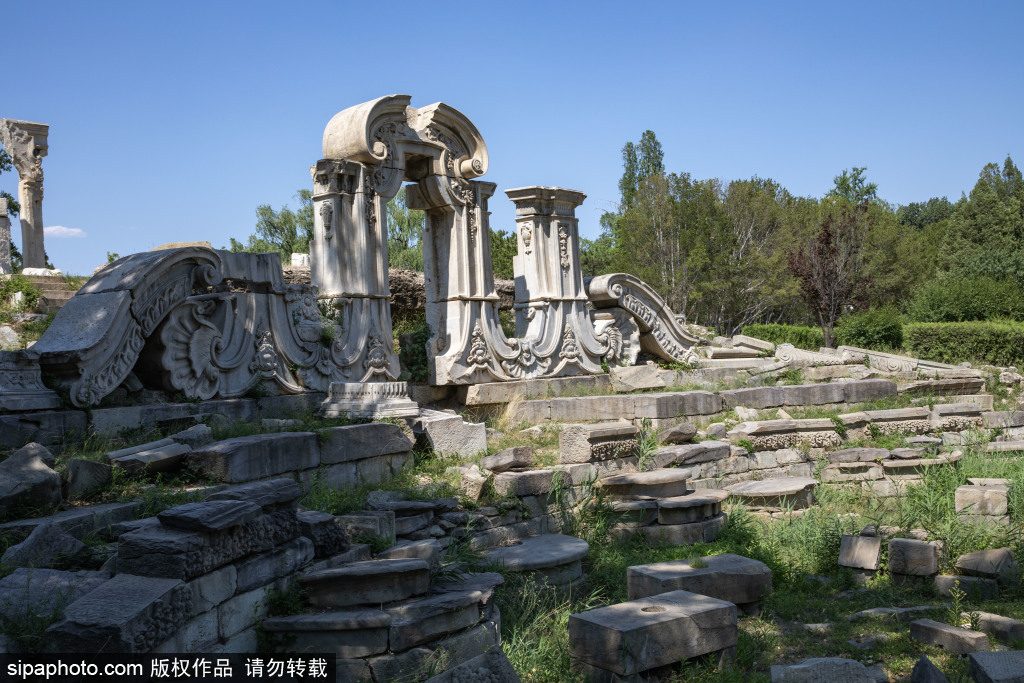
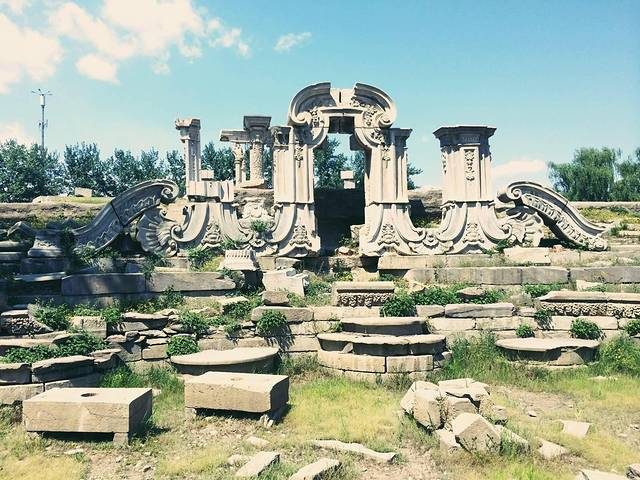
The Qing dynasty's "Garden of Gardens": in 1709 the Kangxi Emperor granted the estate to his fourth son (the future Yongzheng Emperor); developed over 150-plus years under six emperors and merged with Changchun Garden and Qichun Garden, it formed an imperial garden of roughly 350 hectares that brought together the finest of Chinese and Western garden art. It was looted and burned by Anglo-French forces in 1860; the surviving broken columns of the Western Mansions, such as the Great Fountain (Dashuifa) and Yuanying Guan, have become a symbol of national humiliation and a patriotic education landmark, while of the "Forty Scenes of Yuanmingyuan" only outline ruins remain. Black swans live on Fuhai Lake, with summer lotus and autumn ginkgoes as natural highlights; the ruins-area combo ticket includes the Western Mansions area and the "Never Forget National Humiliation" exhibition.
Getting there: Metro Line 4, Yuanmingyuan Station
Photos
More in Beijing
- Summer Palace
Kunming Lake, the Long Corridor and Marble Boat of the imperial resort.
- The Forbidden City
The world's largest palace complex, 9,999 rooms of Ming and Qing emperors.
- Mutianyu Great Wall
The restored, less-crowded Great Wall section with a toboggan descent.
- Temple of Heaven
Where emperors prayed for harvest; morning tai chi in the cypress park.
- Tiananmen Square
One of the world's largest city squares, about 880 m long north to south and able to hold a million people—the core space of Beijing's Central Axis: the founding ceremony of the PRC was held here on October 1, 1949; the Monument to the People's Heroes stands at the center, the Great Hall of the People on the west, and on the east the China...
- The Palace Museum (Forbidden City)
Completed in the 18th year of Ming Yongle (1420), the imperial palace where 24 emperors of the Ming and Qing dynasties lived and ruled, formerly the Forbidden City: covering 720,000 sq m with over 8,700 rooms, the world's largest and best-preserved wooden palace complex