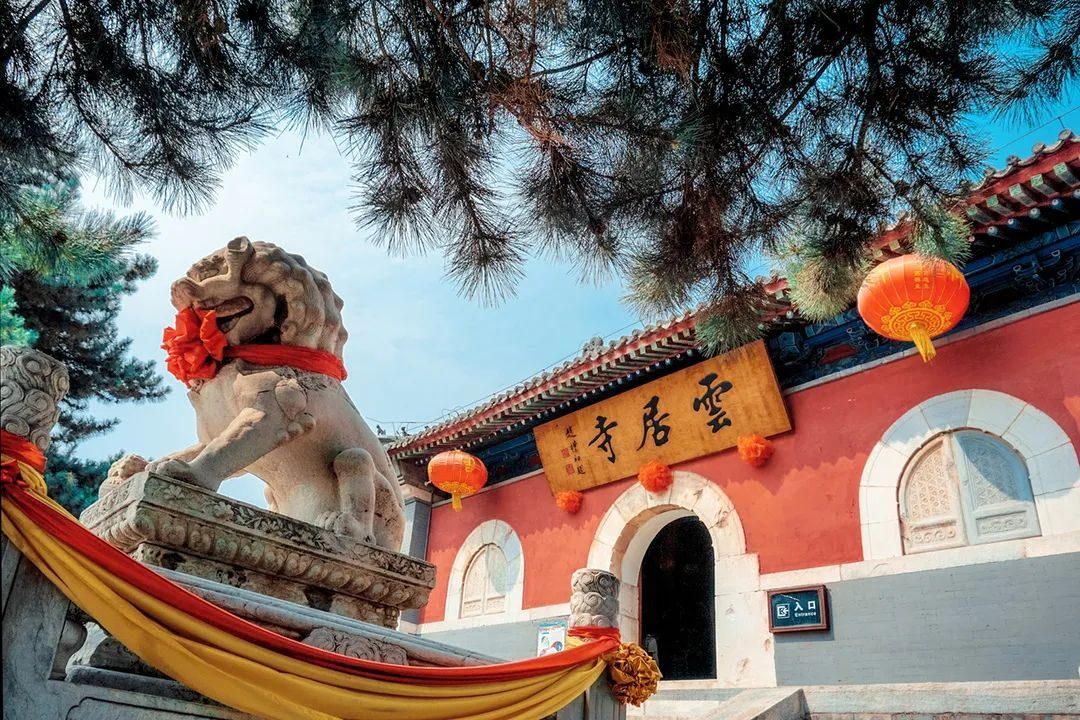
Yunju Temple
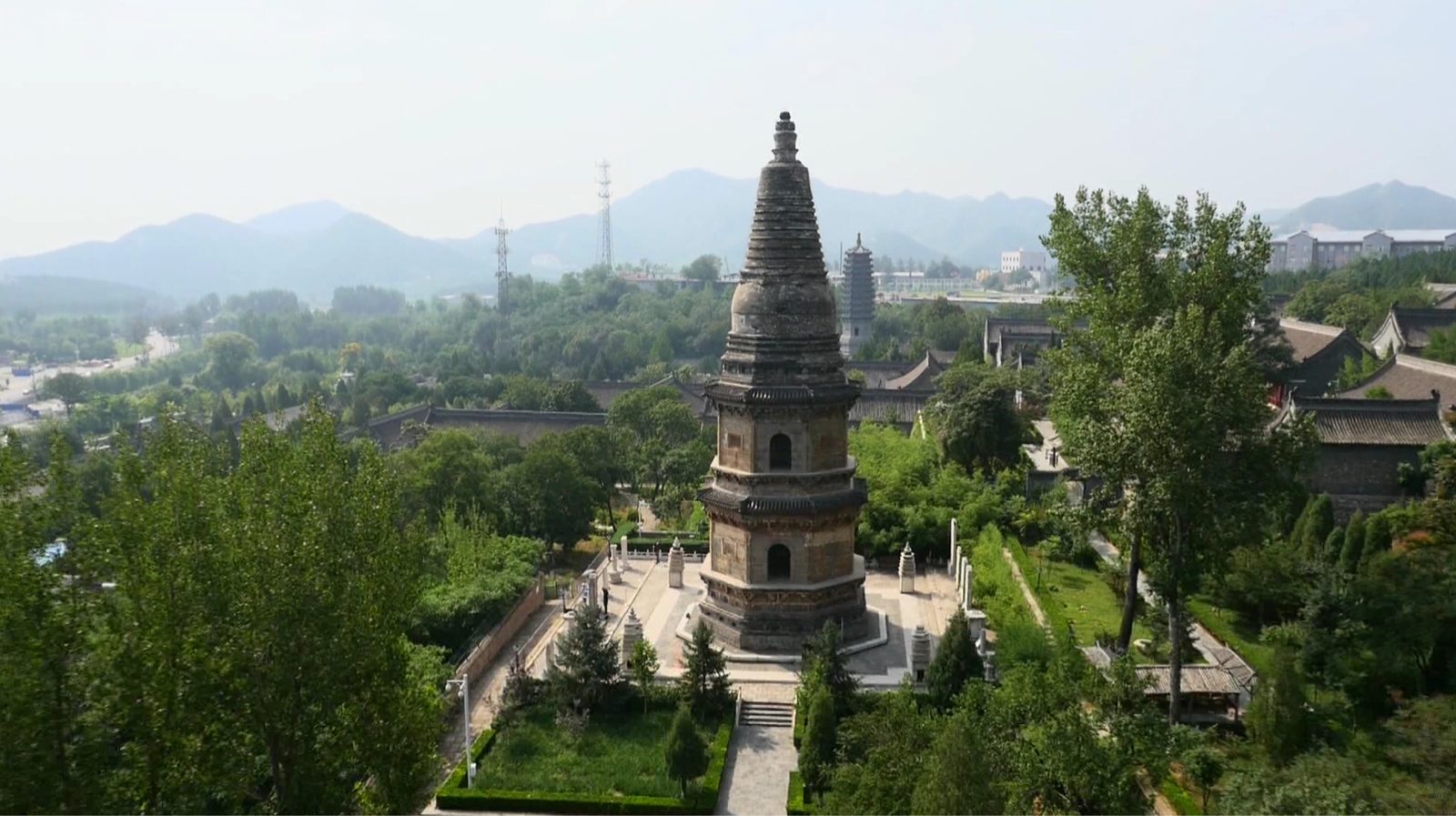
A famed millennium-old temple at the foot of Baidai Mountain in Fangshan: the Sui-dynasty monk Jingwan, in a grand vow to protect the Dharma, began carving sutras in stone, an endeavor carried on for a thousand years to produce the "Buddhist canon in stone"; 14,278 stone-carved Buddhist sutras survive in the scripture caves of Shijing Mountain and the underground vault beneath the temple, earning it the name "the world's largest stone-carved library"
Visitor info
- Opening hours
- 09:00-16:30
- Ticket
- CNY 40
Price is indicative — final quote on inquiry.
A famed millennium-old temple at the foot of Baidai Mountain in Fangshan: the Sui-dynasty monk Jingwan, in a grand vow to protect the Dharma, began carving sutras in stone, an endeavor carried on for a thousand years to produce the "Buddhist canon in stone"; 14,278 stone-carved Buddhist sutras survive in the scripture caves of Shijing (Stone Sutra) Mountain and the underground vault beneath the temple, earning it the name "the world's largest stone-carved library". The temple also holds flesh relics of the Buddha and a cluster of Liao-dynasty pagodas, and the "three wonders" — stone sutras, paper sutras and wooden sutra blocks — are all present. Jingwan's votive inscription for the sutra carving is a celebrated work of calligraphy history; reached via the Fangshan Line with a bus transfer, it is a must-visit for lovers of Buddhist history, with spring mountain blossoms as an added draw.
Getting there: Fangshan Line, transfer to bus / self-drive
Photos
More in Beijing
- Summer Palace
Kunming Lake, the Long Corridor and Marble Boat of the imperial resort.
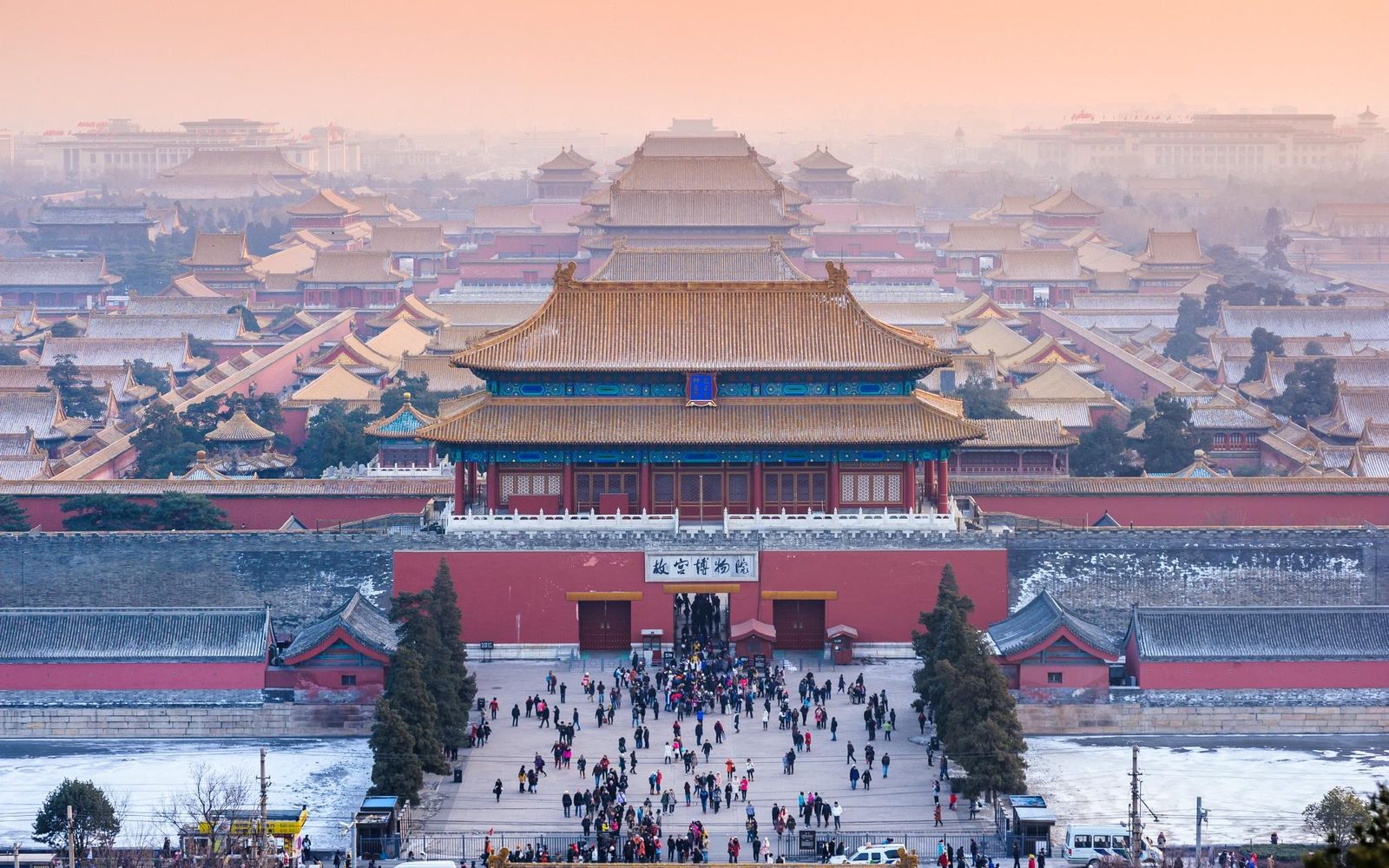
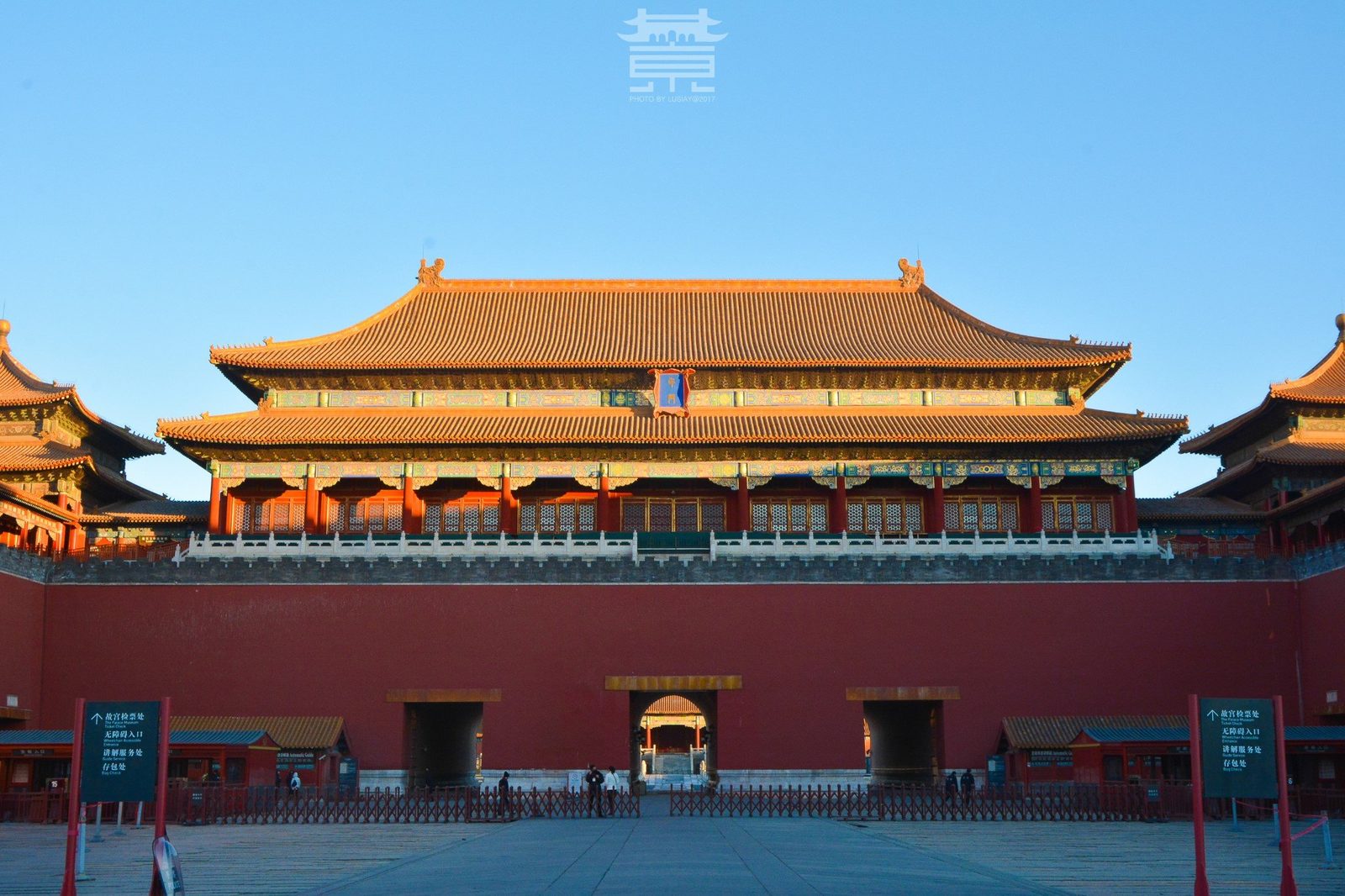
- The Forbidden City
The world's largest palace complex, 9,999 rooms of Ming and Qing emperors.
- Mutianyu Great Wall
The restored, less-crowded Great Wall section with a toboggan descent.
- Temple of Heaven
Where emperors prayed for harvest; morning tai chi in the cypress park.
- Tiananmen Square
One of the world's largest city squares, about 880 m long north to south and able to hold a million people—the core space of Beijing's Central Axis: the founding ceremony of the PRC was held here on October 1, 1949; the Monument to the People's Heroes stands at the center, the Great Hall of the People on the west, and on the east the China...
- The Palace Museum (Forbidden City)
Completed in the 18th year of Ming Yongle (1420), the imperial palace where 24 emperors of the Ming and Qing dynasties lived and ruled, formerly the Forbidden City: covering 720,000 sq m with over 8,700 rooms, the world's largest and best-preserved wooden palace complex